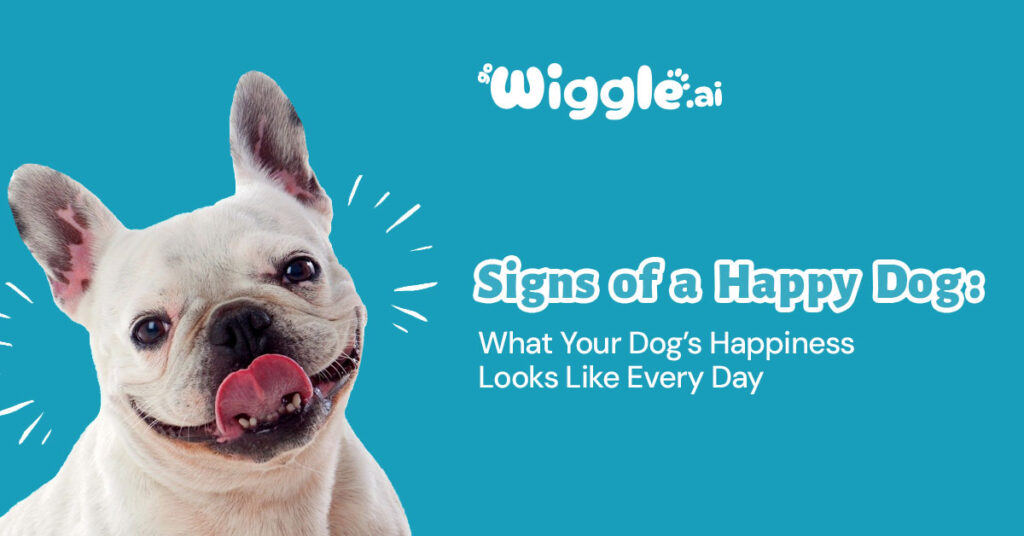
If you’ve ever wondered, “is my dog happy?”, you’re not alone. Most pet owners look for obvious signs of a happy dog like tail wagging or excitement. But real happiness shows up in quieter ways through routine, behaviour, and happy dog body language.
Understanding these everyday signals helps you build a stronger, more aware relationship with your dog.
What Does a Happy Dog Actually Look Like?
A happy dog is not constantly excited. It is calm, relaxed, and secure.
True happiness comes from emotional safety and consistency. If your dog can rest easily, engage naturally, and stay comfortable in your presence, those are strong signs of a happy dog.
The Body Language of a Truly Happy Dog
Your dog’s body reveals more than their actions.
Happy dog body language is loose and natural:
- A gently wagging tail (not stiff or frantic)
- Soft, relaxed eyes
- Ears in a neutral position
- A loose, tension-free posture
When your dog looks physically at ease, it’s one of the clearest indicators they feel safe and content.
Dog Happiness Signs Every Day You Should Notice
Daily behaviour is the most reliable indicator of happiness.
Common dog happiness signs every day include:
- Play bows inviting interaction
- Sudden zoomies or bursts of energy
- Curiosity towards people and surroundings
- Consistent appetite
- Positive greetings in the morning or when you return
These behaviours reflect stable happy dog behavior, not just momentary excitement.
What Happiness Looks Like Morning to Night
A happy dog follows a balanced daily rhythm.
- Morning: calm wake-up, stretching, readiness
- Afternoon: active play followed by restful naps
- Evening: relaxed time spent near you
- Night: deep, uninterrupted sleep
This flow shows emotional stability. A consistent routine supports happy dog behavior and reduces stress.
Small factors like the right stimulation, comfort, and environment help maintain this balance. Even essentials like toys, treats, and rest spaces from GoWiggle can support a more structured, happy routine.
The Science Behind Dog Happiness
Happiness in dogs is measurable.
Positive interaction releases oxytocin, the bonding hormone that strengthens emotional connection. Brain studies also show activity in the caudate nucleus, linked to pleasure, when dogs see familiar humans.
Lower cortisol levels indicate reduced stress, which aligns with consistent happy dog behavior. What you observe daily is backed by biology.
Emotional Happiness vs. Excited Happiness
Not all happiness looks the same.
- Excited happiness: high energy, jumping, short bursts
- Emotional happiness: calm, steady, and relaxed
Most owners mistake excitement for happiness. But a dog resting peacefully beside you shows deeper emotional security.
If you’re asking “is my dog happy?”, look for calm behaviour, not just energy.
Signs Your Dog Is NOT Happy (And What to Do)
Behavioural changes are early warning signs.
Watch for:
- Reduced appetite
- Restlessness or pacing
- Avoidance or withdrawal
- Destructive behaviour
- Sudden aggression
These usually point to gaps in routine, stimulation, or engagement.
Start by fixing structure with consistent feeding, walks, and interaction. If issues continue, consult a vet to rule out health problems.
How Your Daily Routine Creates a Happy Dog
Dogs thrive on predictability.
A structured routine builds trust and emotional security:
- Fixed meal times
- Regular walks
- Consistent play sessions
- Daily interaction
Nutrition, comfort, and stimulation complete the system. When these are in place, happy dog behavior becomes consistent, not occasional.
If you’re unsure about the right products or routine essentials, curated options from GoWiggle can simplify decisions.
Happy Dog Checklist: Is Your Dog Truly Content?
Use this quick check:
- Relaxed body and posture
- Healthy appetite
- Regular sleep patterns
- Natural curiosity
- Seeks your presence comfortably
If these are consistent, your dog is showing clear signs of a happy dog.
FAQ: Your Dog Happiness Questions Answered
What does a happy dog look like?
A happy dog shows relaxed posture, soft expressions, and calm behaviour.
How can I tell if my dog is happy?
Look for consistency in routine, appetite, and happy dog behavior throughout the day.
What are the signs of a happy dog?
The most common signs of a happy dog include relaxed body language, curiosity, and emotional stability.
Do dogs feel happiness the same way humans do?
Dogs experience happiness differently, but similar hormones like oxytocin drive bonding and positive emotions.
What does a dog’s wagging tail really mean?
A wagging tail often signals happiness, but must be read along with overall happy dog body language.