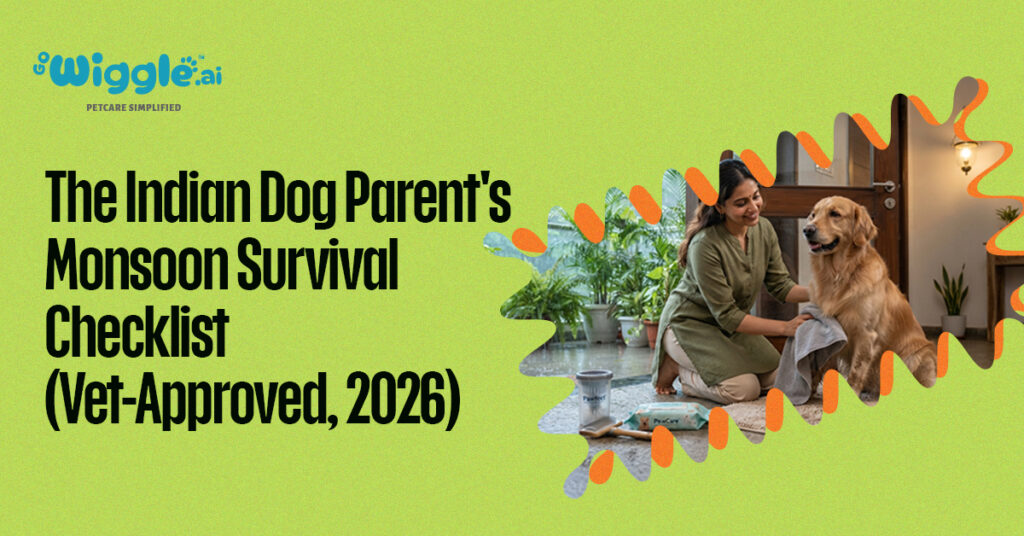
For most of us, the monsoon brings cooler weather and a welcome break from the summer heat. For dogs, however, it also marks the beginning of a season where humidity, stagnant water, ticks, fungal infections, and waterborne diseases become much more common.
The good news is that most of these problems are preventable with a few simple habits. This monsoon survival checklist brings together practical, veterinarian-recommended steps that can help keep your dog healthy, comfortable, and active throughout the rainy season.
Why Monsoon Requires Extra Care for Dogs
Monsoon changes your dog’s environment in several ways. Wet fur stays damp longer, muddy streets expose paws to bacteria and parasites, and high humidity creates ideal conditions for fungal infections. Standing water also increases the risk of diseases such as leptospirosis, making preventive care more important than ever.
Rather than reacting to health problems after they appear, following a structured monsoon survival checklist before and during the rainy season can significantly reduce your dog’s risk of illness.
1. Keep Paws and Coat Clean After Every Walk
One of the biggest monsoon mistakes is allowing a dog’s coat to remain damp after coming home.
Moisture trapped around the paws, underarms, belly, and between the toes creates the perfect environment for fungal infections, commonly known as hot spots. After every walk, thoroughly dry your dog using a highly absorbent microfiber towel before they settle indoors.
Cleaning muddy paws is equally important. Pet-safe paw cleansers or antifungal wipes help remove dirt, bacteria, and contaminants collected from wet roads. At the same time, avoid bathing your dog too frequently. Excessive bathing strips away natural skin oils, making the skin more vulnerable to irritation. Daily brushing is often enough to remove trapped moisture and loose fur while keeping the coat healthy.
Many of these essentials are easily available through Go Wiggle.ai, making seasonal pet care preparation much simpler.
2. Stay Ahead of Ticks, Fleas and Infections
Warm, humid weather creates ideal breeding conditions for parasites.
Skipping monthly tick or flea prevention during the rainy season can quickly lead to infestations that are difficult to control. Speak with your veterinarian about the most suitable preventive treatment based on your dog’s age, weight, and lifestyle.
Dogs with floppy ears deserve additional attention during monsoon. Reduced airflow inside the ears can trap moisture, increasing the risk of yeast and bacterial infections. Checking and gently drying the ears every week helps prevent common seasonal ear problems before they develop.
3. Protect Their Gut Health and Hydration
Food safety becomes especially important during humid weather.
Dry kibble absorbs moisture from the air much faster during monsoon, which increases the risk of spoilage. Always store food in airtight containers and check for changes in smell or texture before serving.
Hydration deserves equal attention. Never allow your dog to drink from puddles or stagnant rainwater, as these can contain harmful bacteria and parasites associated with gastrointestinal illnesses and leptospirosis. Carrying fresh drinking water during walks is a simple habit that can prevent unnecessary health issues.
If your dog frequently experiences digestive upset during the rainy season, your veterinarian may also recommend probiotics to support gut health.
Whether you’re looking for daily nutrition or specialised diets, ordering pet food online through Go Wiggle.ai ensures you always have fresh supplies throughout the season.
4. Help Your Dog Cope With Thunderstorms
Not every dog is frightened by rain, but many become anxious during thunderstorms.
Loud thunder, lightning, and sudden pressure changes can cause pacing, trembling, hiding, excessive barking, or restlessness. Creating a quiet indoor space before a storm arrives gives your dog somewhere safe to retreat.
A comfortable bed, familiar blankets, favourite toys, and reduced outside noise often make a noticeable difference. Interactive puzzle toys can also help redirect your dog’s attention during periods of heavy rain and thunder, reducing stress through mental engagement.
5. Keep the Right Rain Gear Ready
Walking your dog during the rainy season becomes much easier with the right equipment.
A lightweight waterproof raincoat that covers the chest and belly helps reduce the amount of moisture your dog carries home. This not only keeps them comfortable but also reduces drying time after walks.
Dog booties aren’t essential for every dog, but they can be extremely useful in urban areas where roads often contain sewage water, sharp debris, broken glass, or chemical runoff hidden beneath puddles. Introducing booties gradually before the peak monsoon season helps many dogs adjust more comfortably.
You’ll find a wide range of pet accessories online at Go Wiggle.ai, including raincoats, grooming products, travel accessories, and seasonal essentials designed for Indian weather conditions.
Final Thoughts
Monsoon doesn’t mean your dog’s routine has to stop, it simply means their care routine needs a few seasonal adjustments.
By keeping their coat dry, staying consistent with parasite prevention, protecting their digestive health, and preparing for thunderstorms, you can prevent many of the common health problems that appear during the rainy season.
Following this monsoon survival checklist not only keeps your dog healthier but also makes rainy days far less stressful for both of you.
From grooming essentials and rain gear to pet food online and seasonal wellness products, Go Wiggle.ai brings together everything pet parents need to make monsoon care simple, convenient, and reliable.
FAQs
How do I protect my dog during the monsoon?
Follow essential monsoon pet care tips such as drying your dog’s paws after every walk, keeping tick prevention up to date, providing fresh drinking water, and maintaining a clean, dry sleeping area.
Why do dogs get fungal infections during monsoon?
High humidity and damp fur create ideal conditions for fungal growth. Thoroughly drying your dog’s paws, belly, and coat after outdoor walks helps reduce the risk.
Should I bathe my dog more often during the rainy season?
No. Frequent bathing can strip natural oils from your dog’s skin. Daily brushing and proper drying after walks are generally more beneficial unless your veterinarian recommends otherwise.
How can I reduce my dog’s fear of thunderstorms?
Create a quiet indoor space with familiar bedding and toys, close windows to reduce outside noise, and use enrichment toys to keep your dog occupied during storms.
What should I carry while walking my dog during monsoon?
Carry fresh drinking water, waste bags, a microfiber towel, and consider using a raincoat or dog booties if walking through muddy or waterlogged areas.
Where can I buy monsoon pet accessories online?
Trusted platforms like Go Wiggle.ai offer pet accessories online, grooming essentials, rain gear, wellness products, and pet food online for convenient seasonal pet care.