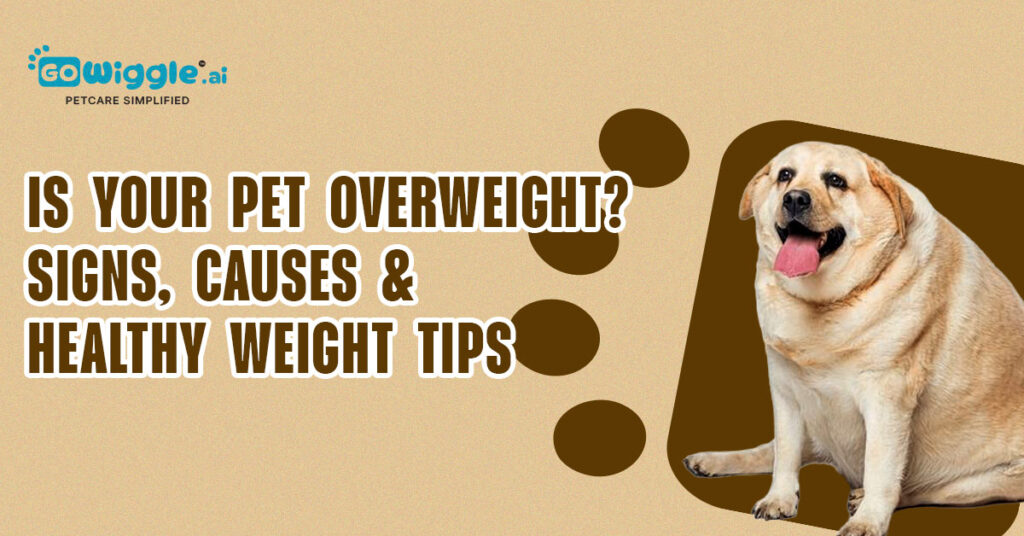
A little extra weight on a dog or cat can be easy to dismiss. They may still be eating normally, asking for treats, playing occasionally and generally seeming happy. But gradual weight gain can affect much more than how your pet looks.
More than 50% of dogs and cats are estimated to be overweight or obese, and excess weight has been associated with a shorter lifespan. That makes Pet Obesity Awareness Day a useful reminder to check whether your pet is maintaining a healthy weight and whether their everyday routine needs an adjustment.
The important part is not putting your pet on a sudden diet. It is recognising the signs, understanding what may be contributing to their weight and working with your veterinarian on appropriate changes.
How Can You Tell If Your Pet Is Overweight?
Because you see your pet every day, gradual changes can be surprisingly difficult to notice. The number on the weighing scale is useful, but it doesn’t tell the entire story.
Start by looking for a few physical and behavioural signs:
Can you easily feel their ribs? You should generally be able to feel the ribs beneath a thin layer of fat. If you need to press firmly to find them, speak to your veterinarian about your pet’s body condition.
Can you see a waist? Look at your pet from above. A healthy body condition generally has some definition behind the ribs rather than a completely rounded shape.
Is their abdomen hanging lower? A sagging or rounded abdomen can be another sign of excess body fat.
Has their activity changed? Getting tired quickly, avoiding play, struggling with stairs or becoming reluctant to jump can warrant attention.
Are they panting heavily after mild activity? Reduced exercise tolerance or breathing difficulty should be discussed with your veterinarian rather than assumed to be caused by weight alone.
These signs aren’t a diagnosis. Similar changes can occur for other health reasons, which is why a veterinary assessment is important.
What Are the Common Causes of Pet Obesity?
One of the most common causes of pet obesity is simply taking in more calories than the body uses. But how that happens can vary considerably between pets.
Free-feeding can make it difficult to know how much food your pet actually eats. Portions can also gradually become larger when meals are estimated instead of measured.
Then there are the extras. Treats, table scraps, dental chews and little bites offered by different family members all contribute to daily calorie intake.
Activity matters too. Dogs that aren’t getting sufficient appropriate exercise and cats without enough active play or enrichment may burn fewer calories.
Age, genetics and certain underlying medical conditions can also contribute to weight gain. If your pet is gaining weight despite no obvious change in feeding or activity, talk to your veterinarian rather than simply cutting their food.
Why Is Extra Weight a Health Concern?
Pet obesity isn’t only about appearance.
Carrying excess weight can place additional strain on joints and make normal activities such as walking, running, jumping and climbing stairs more difficult. Obesity is also associated with health problems including diabetes, arthritis and joint problems, cardiovascular concerns, respiratory difficulties and some cancers.
Flat-faced breeds may be particularly vulnerable to breathing difficulties, making appropriate weight management especially important.
The aim, therefore, isn’t to make your pet “look slimmer.” It’s to support their mobility, comfort and long-term quality of life.
5 Healthy Weight Habits for Dogs and Cats
1. Measure every meal. Instead of filling the bowl by eye or keeping it full throughout the day, measure your pet’s daily food. Feeding instructions on the pack provide a starting point, but your veterinarian can help determine an amount appropriate for your individual pet.
2. Count the treats too. Treats are still part of your pet’s daily calorie intake. Keep track of how many they receive, particularly when several family members are handing them out. Ask your veterinarian about suitable lower-calorie options if weight loss is needed.
3. Choose food for your pet’s actual needs. Age, breed, size, activity and health can all influence nutritional requirements. When you buy pet products online, don’t choose food simply because it is popular. Check who the formula is intended for and follow appropriate feeding guidance.
4. Make movement part of every day. For dogs, this could mean regular walks, fetch and interactive games. Cats can stay active through wand toys, climbing, puzzle feeders and short hunting-style play sessions. Exercise should suit your pet’s age, breed, mobility and health rather than following a fixed routine for every animal.
5. Get a professional body condition assessment. Ask your veterinarian to assess your pet’s Body Condition Score (BCS). A 9-point system is commonly used, with 5 generally representing an ideal body condition. Your vet can then recommend appropriate food portions, activity and weight-monitoring intervals.
Don’t Try to Make Your Pet Lose Weight Too Quickly
Once pet parents realise their dog or cat may be overweight, dramatically reducing food can seem like the obvious solution. It isn’t necessarily the right one.
Healthy weight management should be gradual and individualised. Your veterinarian may recommend changes to portions, food choices, treats, feeding routines or activity depending on your pet.
This is particularly important because unexplained weight gain can sometimes have an underlying medical cause.
Regular weigh-ins also help determine whether the plan is actually working without relying only on appearance.
Small Changes Can Make a Big Difference
The second mention of the causes of pet obesity is worth remembering: it is often not one huge mistake, but several small habits adding up over time. An oversized scoop here, an extra treat there and gradually less activity can eventually make a noticeable difference.
Use Pet Obesity Awareness Day as a reason to check your pet’s ribs, waist, portions, treats and activity level. If something doesn’t look right, make your veterinarian the next step.
And once you know the right nutrition and feeding routine for your pet, you can buy pet products online from GoWiggle.ai and keep their regular food, treats and everyday essentials stocked at home.
FAQs
1. How do I know if my dog or cat is overweight?
Look at their overall body condition rather than weight alone. Difficulty feeling the ribs, loss of waist definition and reduced activity can be warning signs. A veterinarian can provide a more accurate Body Condition Score.
2. What is a healthy Body Condition Score for pets?
On the commonly used 9-point BCS scale, around 5 is generally considered ideal. Your veterinarian can assess your pet because body shape varies between breeds and individuals.
3. Should I simply feed my overweight pet less food?
Not without professional guidance. Your pet still needs appropriate nutrition, and sudden or excessive food restriction may be inappropriate. Ask your veterinarian to recommend a safe weight-management plan.
4. Can treats make my pet overweight?
They can contribute. Treats, table scraps, chews and other extras all add calories, particularly when multiple people in the household are feeding them.
5. How much exercise does an overweight pet need?
There isn’t one amount that suits every pet. Appropriate activity depends on species, age, breed, current fitness, mobility and health conditions. Ask your veterinarian before significantly increasing exercise for an overweight or inactive pet.