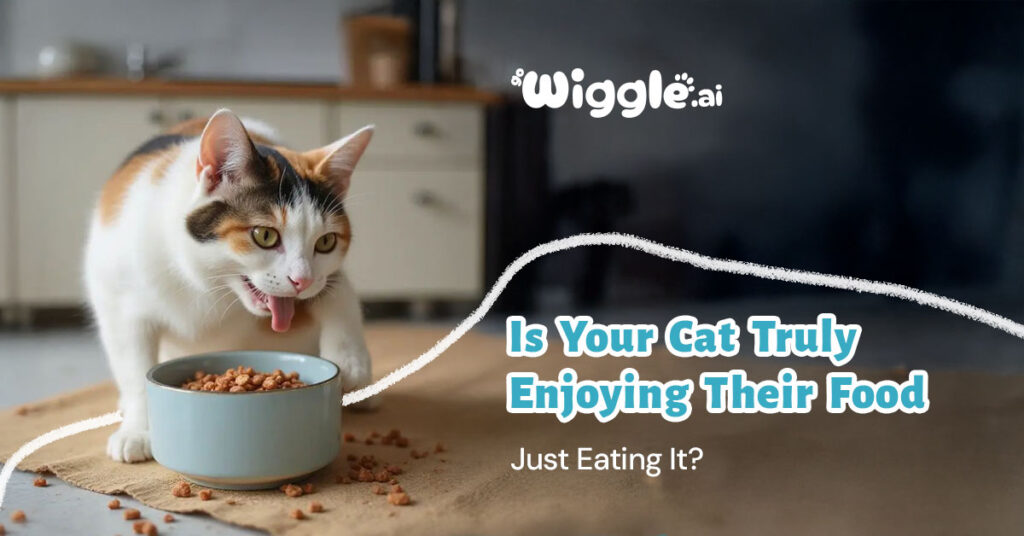
If you’ve ever wondered, “is my cat enjoying their food or just eating it?” the answer lies in their behavior. A cat that truly enjoys their food shows comfort, excitement, and satisfaction throughout the meal. From the way they approach the bowl to how they act after eating, these small cues reveal whether it’s enjoyment or just routine hunger. Here’s how you can really know!
The Obvious Signs Your Cat Loves What They’re Eating
Some signs your cat enjoys their food are easy to spot once you know what to look for. A happy eater will usually approach their bowl with their tail upright, sometimes even greeting you with a soft meow or weaving around your legs. There’s a sense of anticipation. As they eat, their body stays relaxed, and they don’t rush or pause too much. And of course, one of the clearest signs your cat enjoys their food is a clean, empty bowl with no leftovers or hesitation.
Subtle Signs Most Owners Never Notice
But if you really want to understand how to tell if your cat likes their food, you need to notice the quieter details. Cats often show enjoyment in subtle ways, like slight tongue flicks, relaxed half-closed eyes, or a calm, steady rhythm while eating. After the meal, a satisfied cat may groom themselves or simply settle down comfortably. These small behaviors are easy to miss, but they are strong indicators when you’re trying to figure out how to know if your cat is satisfied after eating.
Signs Your Cat Is Just Eating — Not Enjoying It
On the flip side, not all eating means enjoyment. If you’re asking yourself, “is my cat enjoying their food or just eating because they have to?” There are a few clear differences. Cats that are not enjoying their food may seem alert or distracted, constantly looking around while eating.
Some may scoop food out of the bowl with their paws or even try to bury it afterward. Others might eat more when you’re nearby, not because they love the food, but because they feel comforted by your presence. These are all signs that the experience isn’t fully enjoyable for them.
Why Does My Cat Only Lick the Gravy?
One of the most common questions pet parents ask is why their cat only licks the gravy and leaves the chunks behind. This actually tells you a lot about preference. Cats are naturally drawn to moisture, aroma, and smooth textures, which gravy delivers perfectly. Chunks, on the other hand, may feel less appealing or harder to eat. So if your cat does this, it doesn’t necessarily mean they dislike the food entirely—it just means they prefer a certain texture.
If you’re noticing this pattern often, it might be worth exploring food options that align better with your cat’s natural preferences. Platforms like GoWiggle.ai offer a variety of textures and formats that can help you find what your cat genuinely enjoys.
The Science Behind What Cats Actually Enjoy in Food
Understanding how to tell if your cat likes their food becomes much easier when you know what drives their preferences. Cats rely heavily on smell rather than taste, and they are naturally drawn to umami-rich, protein-heavy foods. Texture also plays a big role, with softer, moist foods usually being more appealing. Unlike humans, cats don’t care about sweetness, so their enjoyment is less about flavor variety and more about how the food smells and feels.
What Food Temperature Do Cats Prefer?
Another factor that often goes unnoticed when figuring out how to know if your cat is satisfied after eating is temperature. Cats generally prefer food that is close to body temperature, around 37°C. This is because it mimics fresh prey and enhances the aroma of the food. Cold food straight from the fridge tends to dull the smell, making it less appealing. Simply letting the food sit out for a bit or slightly warming it can make a noticeable difference in how eagerly your cat eats.
What is Whisker Fatigue and How Does It Kill Food Enjoyment?
Sometimes, the issue isn’t the food at all. Whisker fatigue is a real phenomenon where a cat’s sensitive whiskers brush repeatedly against the sides of deep or narrow bowls, causing discomfort. This can lead to hesitant eating, leaving food behind, or even pushing food out of the bowl. If your cat seems interested but doesn’t fully engage, the bowl itself might be the problem. Switching to a wide, shallow dish can instantly improve their eating experience.
Is Your Cat Eating Out of Stress?
If you’re still wondering, “is my cat enjoying their food?”, it’s important to consider their environment. Stress can significantly impact how a cat eats. A noisy space, the presence of other pets, or an inconsistent routine can make them feel unsafe. This often shows up as lookout eating, where they stay alert, or behaviors like food burying. In such cases, improving the environment can be just as important as changing the food itself.
How to Upgrade Your Cat’s Food Enjoyment Starting Today
Improving your cat’s mealtime experience doesn’t require a complete overhaul. Small changes can go a long way. Serving food at the right temperature, choosing the right bowl, experimenting with textures, and maintaining a calm feeding space can all help. The key is observation. Once you start paying attention to these signs your cat enjoys their food, you’ll naturally begin to understand their preferences better.
If you’re looking to take it a step further, you can explore GoWiggle.ai range of thoughtfully curated pet food options. They’re designed keeping in mind what actually matters to cats—taste, texture, and overall experience.
Food Enjoyment vs. Just Eating: Quick Comparison
The difference between eating and enjoying becomes clear when you observe patterns. A cat that enjoys their food will appear relaxed, eat steadily, and show signs of satisfaction afterward, like grooming or resting. On the other hand, a cat that is just eating may seem distracted, inconsistent, or uninterested once the hunger is gone. Understanding this difference is the first step in ensuring your cat truly looks forward to every meal.
Conclusion
If you’ve been asking yourself, “is my cat enjoying their food?”, the answer is always in the details. Once you learn how to tell if your cat likes their food, mealtime becomes less of a routine and more of a shared moment of understanding.
And when you get it right, you’ll know—because your cat won’t just eat… they’ll enjoy every bite.
You can always explore GoWiggle.ai to find food that matches what your cat truly loves.
FAQs
How can I tell if my cat enjoys their food?
You can tell by observing their body language, eagerness before meals, and behavior after eating. Relaxation and consistency are key signs your cat enjoys their food.
What is the difference between a cat eating from hunger vs. enjoyment?
Hunger-driven eating is quick and functional, while enjoyment includes anticipation, comfort, and satisfaction.
Why does my cat only lick the gravy and leave the chunks?
This usually comes down to texture and aroma preference, as gravy is more appealing to many cats.
Why does my cat walk away from food mid-meal?
It could be due to stress, lack of interest in the food, or environmental distractions.
What temperature should I serve cat food at?
Serving food close to body temperature, around 37°C, makes it more appealing and enjoyable for your cat.