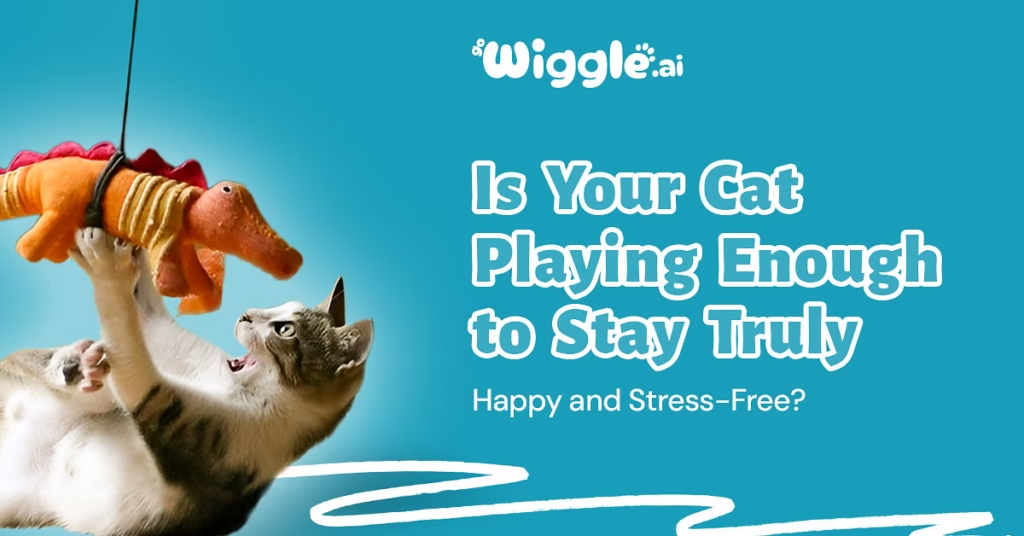
Most indoor cats are not lacking food or comfort. They’re lacking stimulation.
Cats are natural hunters, and play is not just entertainment, it’s a biological need. Without enough physical and mental engagement, many cats develop stress-related behaviours, disrupted sleep patterns, aggression, or anxiety.
If you’ve been wondering how much playtime does a cat need or how to keep an indoor cat happy and stress-free, the answer starts with understanding how cats are wired.
How Much Playtime Does a Cat Actually Need Every Day?
Most healthy indoor cats need 20–60 minutes of active play daily, depending on age, energy level, and breed.
According to feline behaviour guidance from veterinary organizations like the American Animal Hospital Association and pet health platforms like PetMD, play sessions work best when divided into shorter bursts throughout the day rather than one long session.
For most cats:
- Kittens: multiple short, high-energy sessions
- Adult cats: 2–3 structured sessions daily
- Senior cats: gentler but consistent stimulation
The goal is not simply tiring your cat out. It’s satisfying their hunting instincts in a healthy way.
Play by Age: Kittens, Adults, and Senior Cats
Kittens
Kittens are in learning mode constantly. They need frequent stimulation to develop coordination, confidence, and social behaviour.
Ideal play:
- Wand toys
- Chase games
- Climbing and exploration
Adult Cats
Adult cats need structured activity to prevent boredom and obesity.
Without enough engagement, many owners start noticing:
- Overgrooming
- Nighttime hyperactivity
- Random aggression
- Destructive scratching
These are often signs your cat is not getting enough playtime.
Senior Cats
Older cats still need stimulation, just at lower intensity.
Gentle movement, puzzle feeders, and slower-paced play help maintain cognitive health and reduce stress.
11 Signs Your Cat Is Not Getting Enough Play
One of the biggest mistakes owners make is assuming cats naturally “entertain themselves.”
Common signs your cat is not getting enough playtime include:
- Attacking feet or ankles
- Zoomies late at night
- Excessive meowing
- Overeating from boredom
- Sleeping excessively during the day
- Destructive scratching
- Aggressive play biting
- Obsessive grooming
- Staring out windows for long periods
- Loss of interest in surroundings
- Constant attention-seeking behaviour
Many of these behaviours are not “bad personality traits.” They’re signs of under-stimulation.
The Boredom → Stress → Behavior Problem Cycle
Boredom in cats rarely stays harmless.
An under-stimulated cat often moves through this pattern:
Boredom → frustration → stress → behavioural problems
Without enough physical and mental release, stress hormones remain elevated. Over time, this can contribute to:
- Anxiety
- Aggression
- Compulsive behaviours
- Sleep disruption
- Increased conflict in multi-cat homes
This is why how to keep an indoor cat happy and stress-free is not just about comfort, it’s about behavioural health.
Interactive toys, puzzle feeders, scratching systems, and rotating enrichment tools from GoWiggle.ai can help reduce indoor boredom significantly.
The Science: How Play Makes Cats Genuinely Happy
Play activates a cat’s natural reward system.
Studies in animal welfare and feline behaviour research show that successful hunting-style play increases dopamine and endorphin activity while lowering stress-related cortisol levels.
In simple terms:
- Play reduces stress
- Hunting simulation creates satisfaction
- Mental stimulation improves emotional regulation
Cats are biologically designed to stalk, chase, capture, and release energy. Indoor life removes most of these opportunities unless owners intentionally recreate them.
What Is the Prey Sequence and Why Does It Matter?
Cats naturally follow a behavioural pattern often called:
Hunt → Catch → Kill → Eat
This is known as the prey sequence.
A proper play session mimics this cycle:
- Stalking the toy
- Chasing movement
- Pouncing and grabbing
- “Winning” the hunt
Many owners stop play too early or use toys incorrectly, which can leave cats frustrated instead of satisfied.
Understanding this sequence completely changes how to keep your indoor cat happy and stress-free.
How to Properly End a Play Session
Most people end play at the wrong moment.
If a cat chases repeatedly without eventually “catching” something, frustration can build. The session should end with success.
A healthy sequence looks like:
- Stalk
- Chase
- Catch
- Small reward or treat afterward
This helps your cat feel mentally complete instead of overstimulated.
The Best Time of Day to Play With Your Cat
Cats are naturally most active during dawn and dusk.
That means the best play sessions usually happen:
- Early morning
- Evening before bedtime
A focused play session before bed can reduce nighttime zoomies, attention-seeking, and sleep disruption.
If your cat constantly wakes you up at night, lack of evening stimulation is often part of the problem.
Interactive Play vs. Solo Toys: What Actually Works?
Not all toys satisfy cats equally.
Interactive Toys
Best for:
- Bonding
- Full prey-sequence engagement
- Mental stimulation
Examples:
- Wand toys
- Feather chasers
- Moving prey simulations
Solo Toys
Helpful for independent stimulation:
- Puzzle feeders
- Ball tracks
- Automated toys
- Catnip toys
The most effective routine combines both.
Curated enrichment products from GoWiggle.ai can help create more engaging indoor play systems without overwhelming your space.
Why Cats Lose Interest in Toys So Quickly
Cats habituate quickly.
If the same toy appears every day in the same way, it loses novelty. Rotating toys every few days helps maintain engagement.
Movement also matters more than the object itself. A simple string moved unpredictably often works better than expensive static toys.
For cats, stimulation comes from challenge not price.
FAQ: Cat Playtime Questions Answered
How much playtime does a cat need every day?
Most indoor cats need 20–60 minutes of daily play split across shorter sessions.
What are the signs a cat is not getting enough playtime?
Aggression, nighttime hyperactivity, excessive meowing, boredom eating, and destructive scratching are common signs.
What is the prey sequence in cats?
The prey sequence is the natural hunting cycle: hunt, chase, catch, kill, and eat.
How do you properly end a cat play session?
End with the cat successfully catching the toy, followed by a small reward or cooldown.
Why does my cat attack my feet and ankles?
This often comes from redirected hunting energy and lack of structured play.
Why is my cat waking me up at night?
Insufficient evening stimulation can lead to nighttime energy bursts and attention-seeking.
What is the “hunt, catch, kill, eat” method?
It’s a play structure designed to mimic a cat’s natural hunting instinct.
Does playing with your cat reduce stress?
Yes. Play helps reduce cortisol and supports emotional regulation in cats